Slab assessment before you buy
A hoist needs the right depth and strength under it. We core-test, check for post-tension cables and tell you honestly whether the slab needs a poured pad.
You've signed the lease, the concrete is down and the bays are still empty. Tradehavenglobal plans, supplies and installs the whole fit-out: two-post hoists, compressors, oil lines, tyre gear and the benches to hold it all. One crew, one schedule, and no chasing five suppliers for the bits that don't quite line up.
Most fit-outs go sideways in the last fortnight, when the hoist arrives and the electrician hasn't been booked. We work the other way around. The layout gets measured against your actual vehicle mix first, then each trade gets a date, and the equipment drops in behind them. If your panel shop runs mostly dual-cab utes and one light truck, the bays get sized for that, not for the brochure.
Every hoist we install sits on a documented slab check, and we log the anchor torque for your insurer. Air and oil lines run in proper looms with isolation points at each bay, so a single failure doesn't take the whole floor down. When we're finished you get a binder with the compliance certificates, the service schedules and the contact numbers for every trade who touched the site.
Our installers handle the mechanical build, coordinate the electrical and plumbing trades, and stay until the last hoist passes its load test.
Roughly half the sites we walk into were never designed as workshops. They're sheds, warehouses, ex-dealerships with a mezzanine in the way. Here's what that experience buys you.
A hoist needs the right depth and strength under it. We core-test, check for post-tension cables and tell you honestly whether the slab needs a poured pad.
Bay spacing, roller door width and where the tyre machine sits all decide how many cars you actually get through. We draw it to scale before anyone drills.
Load test reports, anchor torque logs, electrical certificates. Bundled, dated, signed and handed over on the day rather than emailed three weeks later.
We had four bays up in nine weeks with no shutdown. The bit that mattered was the layout session, because they shifted the compressor outside and gave us back a full working bay.

Across regional Queensland, the Hunter and western Sydney, measured bay by bay and drawn to scale before a single anchor went in.
Every package starts with a paid site survey, and the survey fee comes off the final invoice. You see the whole cost before a single anchor goes in.
One bay, the essentials, nothing padded out
Where most independent shops end up
Four bays and beyond, staged around trading hours
Figures assume a standard 8 m bay on a sound slab. The site survey confirms the final number, including any slab remediation.
No mystery dates, no waiting on a delivery that never lands. Here is the sequence we work to on every site.
We measure the shed, core-test the slab and photograph the existing services. You get a written report within four business days.
Your vehicle mix turned into a plan with bay widths, clearances and door swings marked. Two revision rounds come with it.
Hoist capacity, compressor sizing, extraction volumes. You approve that list before any order gets placed with a supplier.
Electrical, plumbing and slab prep happen before the gear lands, so nothing sits on the floor half-finished for a fortnight.
Our crew mounts and commissions, then every hoist gets a witnessed load test with the certificate signed on site that day.
You walk the floor with the lead installer, and anything flagged gets sorted before the final invoice reaches you.
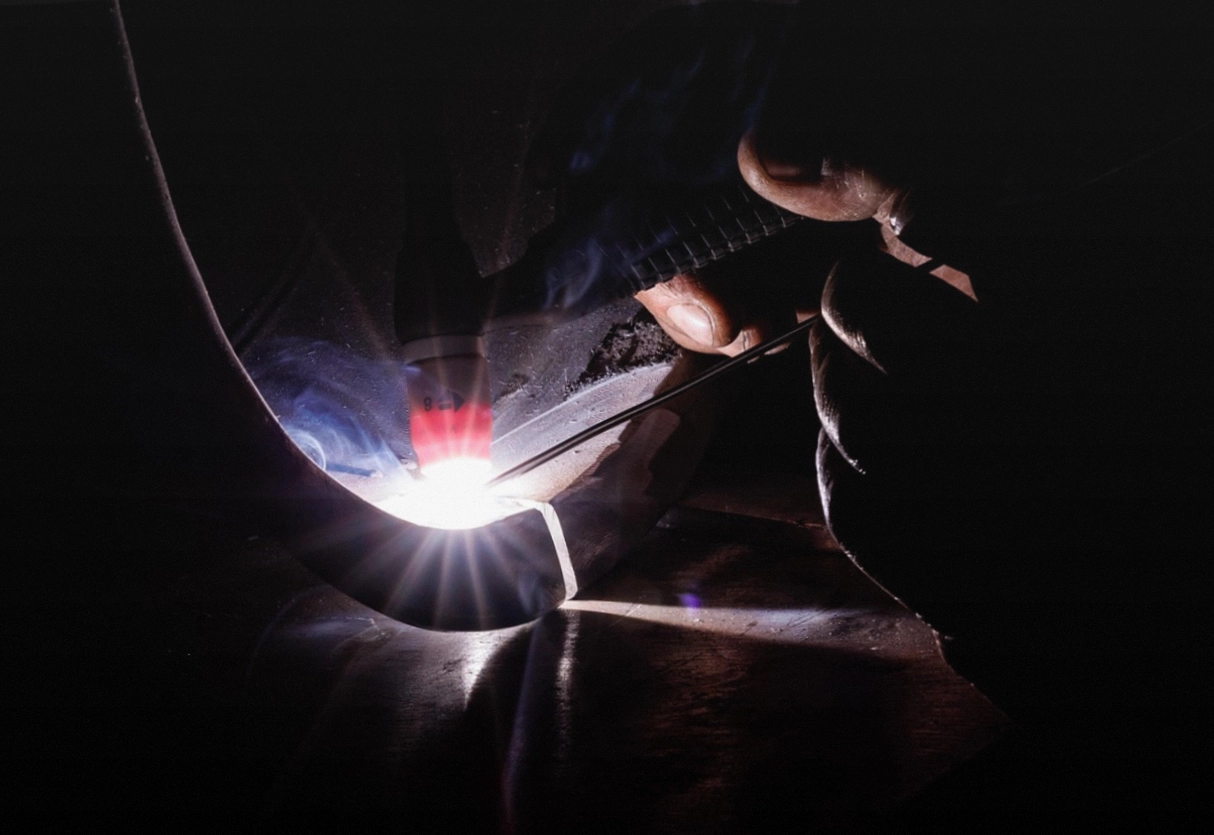
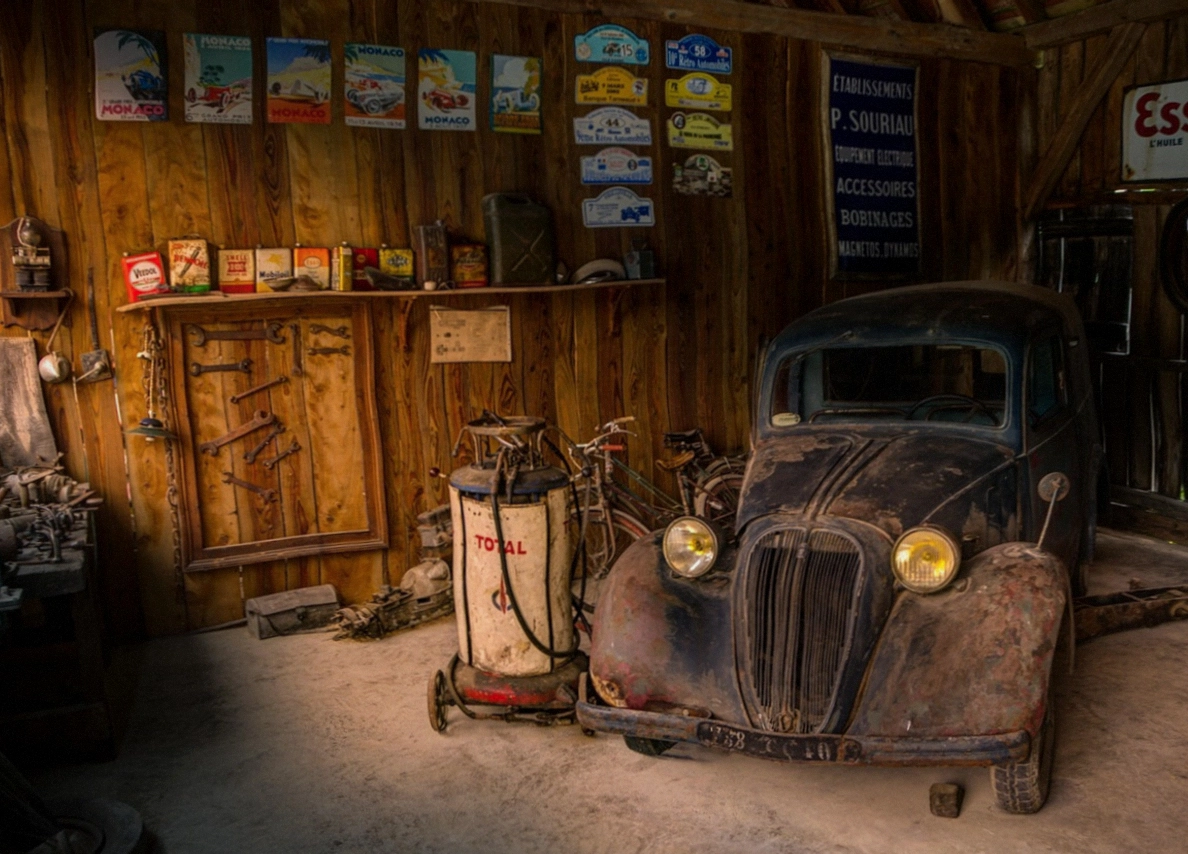
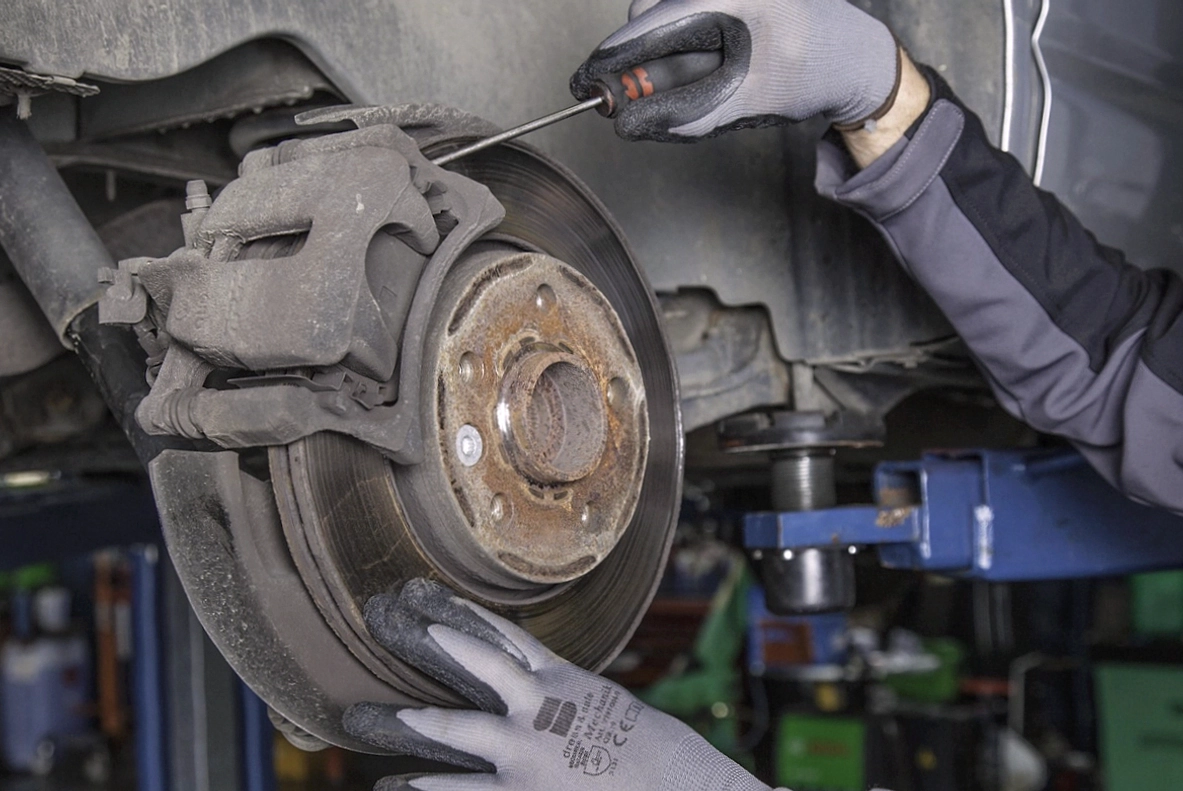
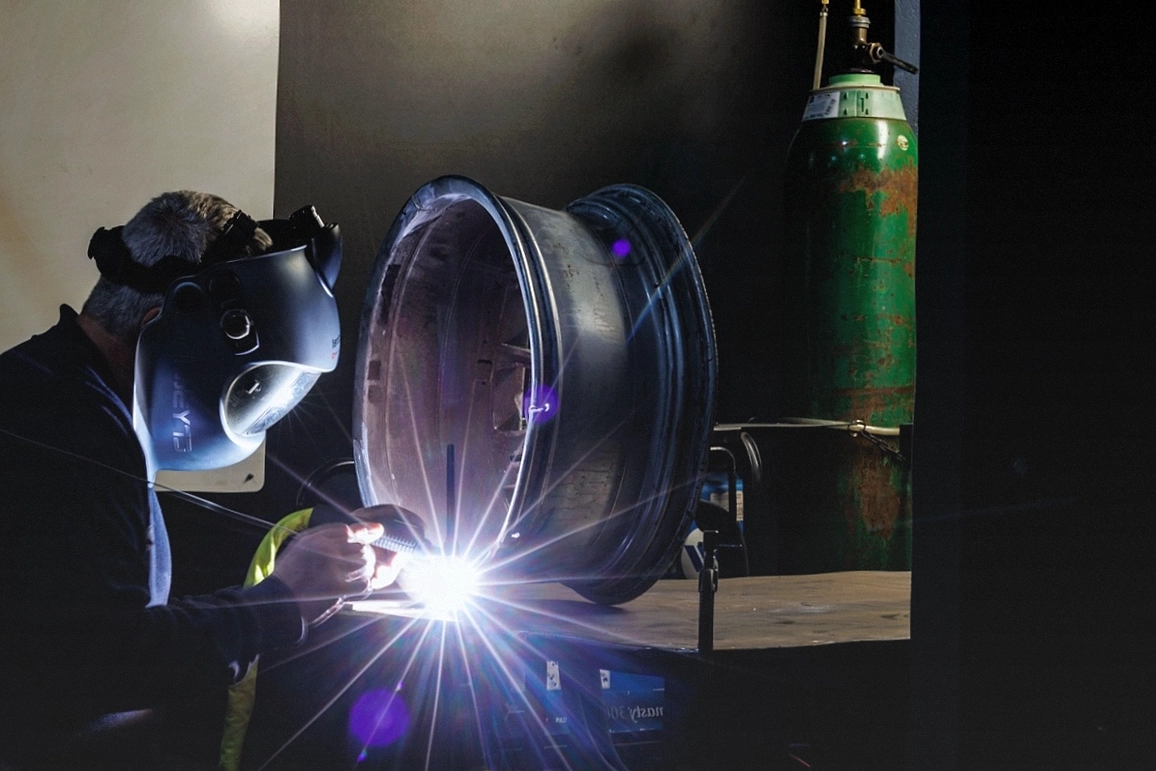
A few recent fit-outs, photographed the day we handed the keys back.
Straight answers, including the ones suppliers usually dodge.
Tell us the shed size, how many bays you want and roughly when you need to be trading. We come back with a survey date and a real number.