Why Your Scan Tool Drifts Out of Tolerance
Heat, drops and firmware updates all move a tool away from spec. Owen explains how to spot it before a phantom fault code wastes a morning.
Tradehavenglobal began in a rented Toowoomba shed with one second hand hoist and a borrowed ute. Two decades on we still plan every bay on paper first, measure the slab twice, and hand back the keys only after the last calibration certificate is signed.
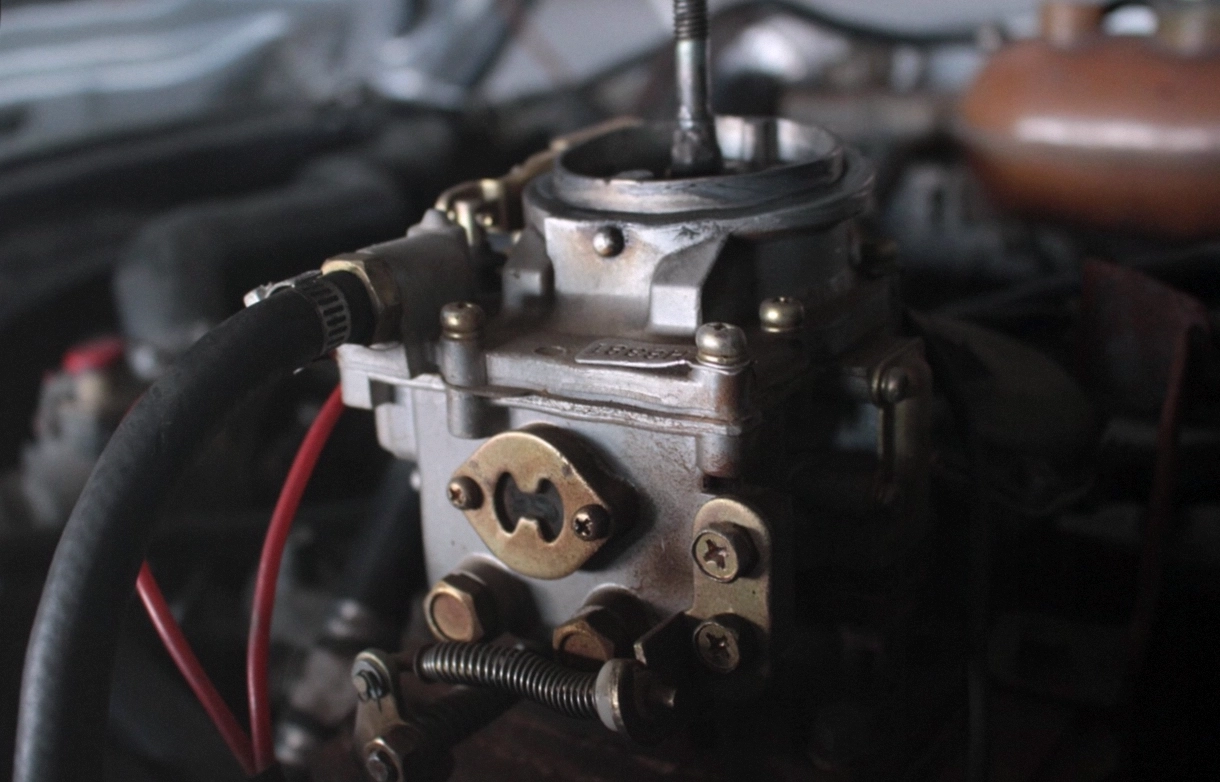

Our story
Marcus Halvorsen was a fitter and turner who kept getting called out to fix other people's installs. Hoists bolted onto slabs that were never going to hold them, compressors wired into circuits that tripped every second morning, benches that wobbled the moment a vice was tightened. In 2006 he stopped fixing and started installing, working out of a shed on the eastern edge of Toowoomba with a single second hand two poster and a ute borrowed from his brother in law.
The first proper job was a two bay fit-out for a tyre shop in Gatton. It took eleven days instead of the six Marcus had quoted, and he paid the difference out of his own pocket rather than send an invoice with a surprise on it. That decision still shapes how we quote today. Every number we hand over is fixed before the first delivery arrives, and if we misjudged the slab or the switchboard, that is our problem to carry.
By 2012 there were five of us and a proper store behind the workshop, stocked with seals, hoses and control boards so a hoist going down in Roma was not waiting on a container from overseas. The calibration side came later, when customers kept asking why their scan tools were flagging faults that were not there. Now the two halves of the business feed each other, and most workshops buy the bay and the tooling from the same crew.
How we got here
No funding rounds and no rebrands. Just a workshop that kept taking on the next job and hiring the person who could do it properly.
Marcus takes on the first two bay fit-out in Gatton and loses money on it after the eleven day install. The fixed quote rule is written that week and has not moved since.
A rented shed next door becomes a store room. Seals, hoses and solenoids held locally cut the average breakdown response from two weeks to two days.
Tessa Bright joins as install lead and brings the evening and weekend install windows the crew now runs as standard on retail sites.
Customers kept reporting phantom fault codes on tools that had never been checked. Owen Radcliffe sets up the bench and the certificate process that every item now goes through.
First crews working in northern New South Wales on a workshop refit near Lismore. Two extra install teams added that winter to cover the run south.
Workshops stop booking one-off calibrations and move onto a scheduled collection round twice a year. The paperwork side alone saves most shops a full day a month.
Where the numbers land
These are the figures we track on the whiteboard in the Toowoomba office. They are not rounded up for the website, and the breakdown response number includes the jobs we got wrong.
What we believe
Four rules we have kept since the Gatton job. They cost us work sometimes, particularly when a customer has already ordered a hoist that does not suit their building.
Slab thickness, ceiling height, drainage and where the power lands. The order sheet gets written after the tape measure comes out, never before.
Supply and install in one number, split across milestones rather than calendar dates. If we misjudged the slab, that cost sits on our side of the ledger.
Load test certificates, calibration records and switchboard labels handed over on the day. An auditor should never have to chase us for a document.
When a hoist goes down we call the workshop back the same day, even if we cannot get a fitter out until the morning. Silence is what makes people angry.
The people
No account managers and no call centre. The person who quotes your job is usually the person who turns up with the drill.

Founder and owner
Fit and turner by trade. Still does the site walks on bigger jobs and still signs off every fixed quote before it leaves the office.

Install lead
Runs the crews and the delivery schedule. The evening and weekend install windows exist because she pushed for them in 2012.

Calibration manager
Built the bench process and the certificate templates. Can tell you which scan tool models drift first, usually before you have noticed the fault.

Procurement and parts
Keeps the store stocked and the lead times honest. If a part is not on the shelf, Hana will tell you the real date, not the optimistic one.
Recent projects
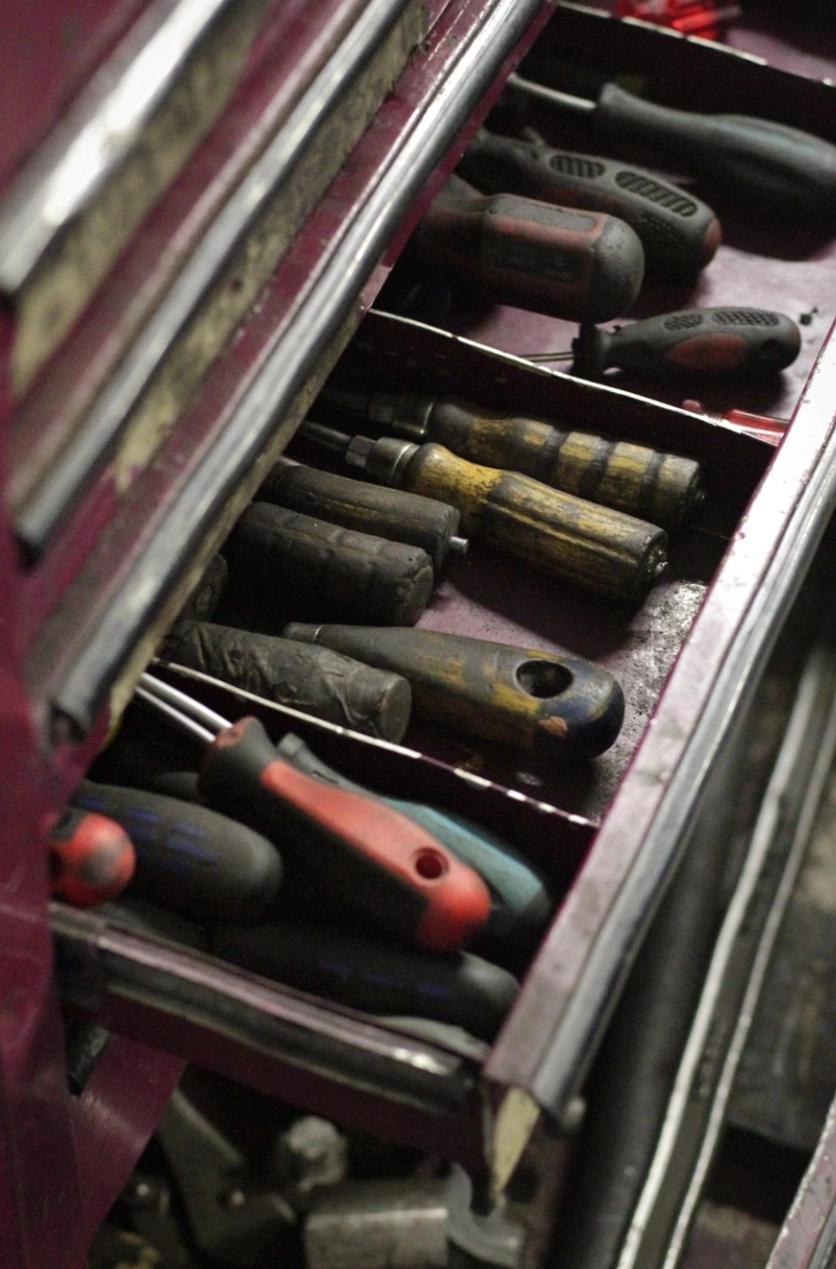
Old hoist removed, slab inspected and reinforced in one corner, then three new two posters and a hard lined air system. Finished in eight days while the shop kept trading from one bay.

A workshop that had never had its scan tools checked. Four items failed first pass and came back inside tolerance after adjustment. Loan units kept the techs working through the week.
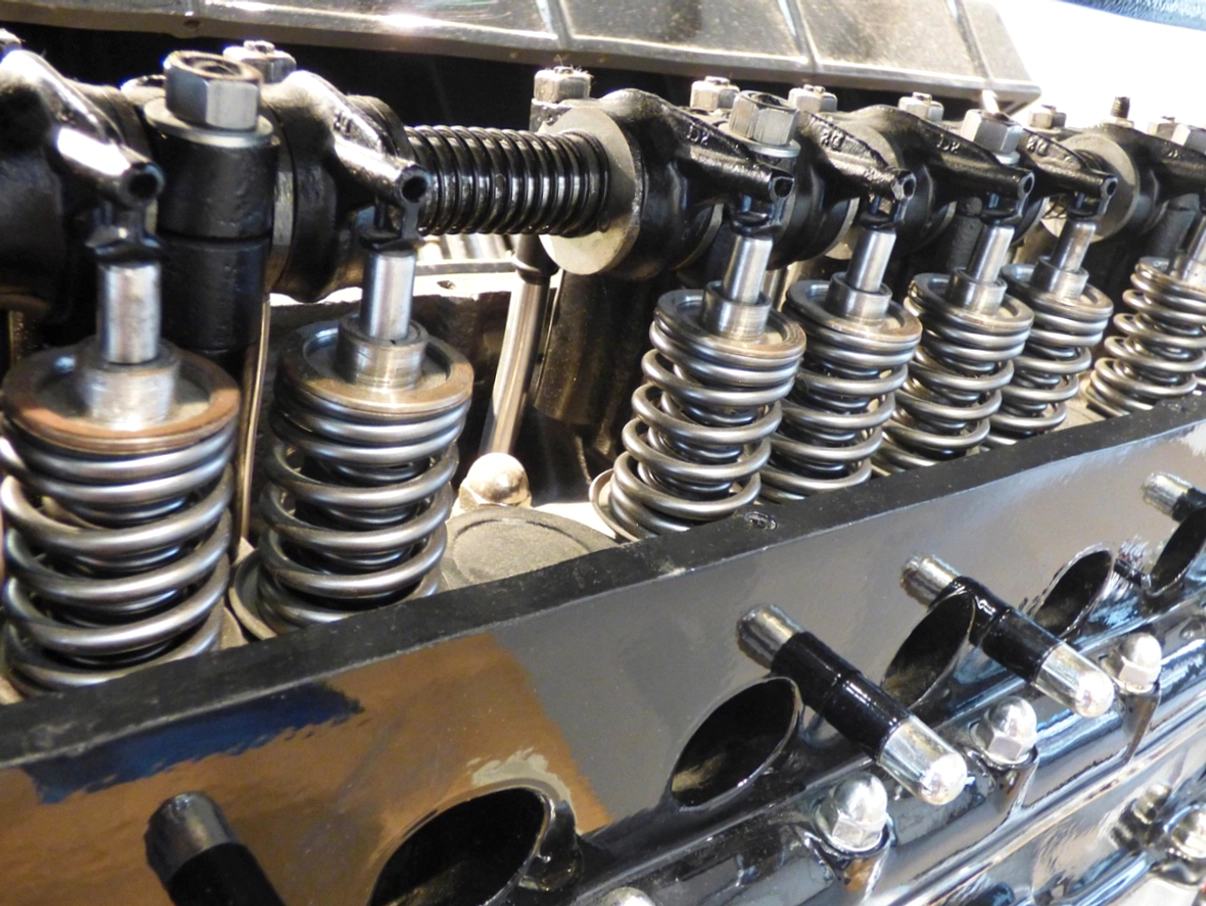
New rig and levelled slab anchors for a shop that had been fighting with an older unit. Full four wheel check completed before the crew left, with the certificate signed on site.
Who we answer to
Tradehavenglobal Pty Ltd carries public liability cover to twenty million dollars and holds the electrical contractor licences required to touch a switchboard in Queensland and New South Wales. Hoist anchoring and load testing is done by our own fitters, not subcontracted out on the morning of the job.
We keep a register of every hoist we have installed, going back to the Gatton job in 2006. If you buy a workshop that used to be on our books, call us and we can usually send the original commissioning records through within a day or two.
Registration numbers below are the ones auditors usually ask for. If you need a specific document for a tender, ask and we will send it over.
Handling of your details is covered in the Privacy Policy. Trading terms and warranty conditions sit in the Terms of Service, with refund questions answered in the Refund Policy.
Services we run

Layout drawing, hoist anchoring and load test, compressor lines, benches, lighting and the power drops. One crew on site from the first chalk line to commission, with a fixed quote agreed before delivery.

Supply of scan tools and test gear, software setup, then a scheduled two round calibration cycle with certificates and loan units. The program suits shops that have been caught out by a tool drifting quietly between services.
From the blog

Heat, drops and firmware updates all move a tool away from spec. Owen explains how to spot it before a phantom fault code wastes a morning.

Rarely on the hoist. The overruns hide in the slab, the switchboard and the fortnight a bay sits empty waiting on a delivery date.
Come and see the store
If you are passing through Toowoomba, drop in and look at the gear before you buy. We keep a demo bay set up with a two poster and a bench so you can see how the layout works in a real shed.
Tell us the suburb and the number of bays. A fitter will call within one business day to set a time.
Your details are handled under our Privacy Policy and the Legal Information page explains how we trade.